

In a ceremony that underscored a shift in how the United States recognizes its maritime workforce, Admiral Karl Thomas, Commander of U.S. Fleet Forces Command, presented the first presidential Unit Citation ever awarded to a civilian-crewed vessel in the 77 year history of Military Sealift Command.
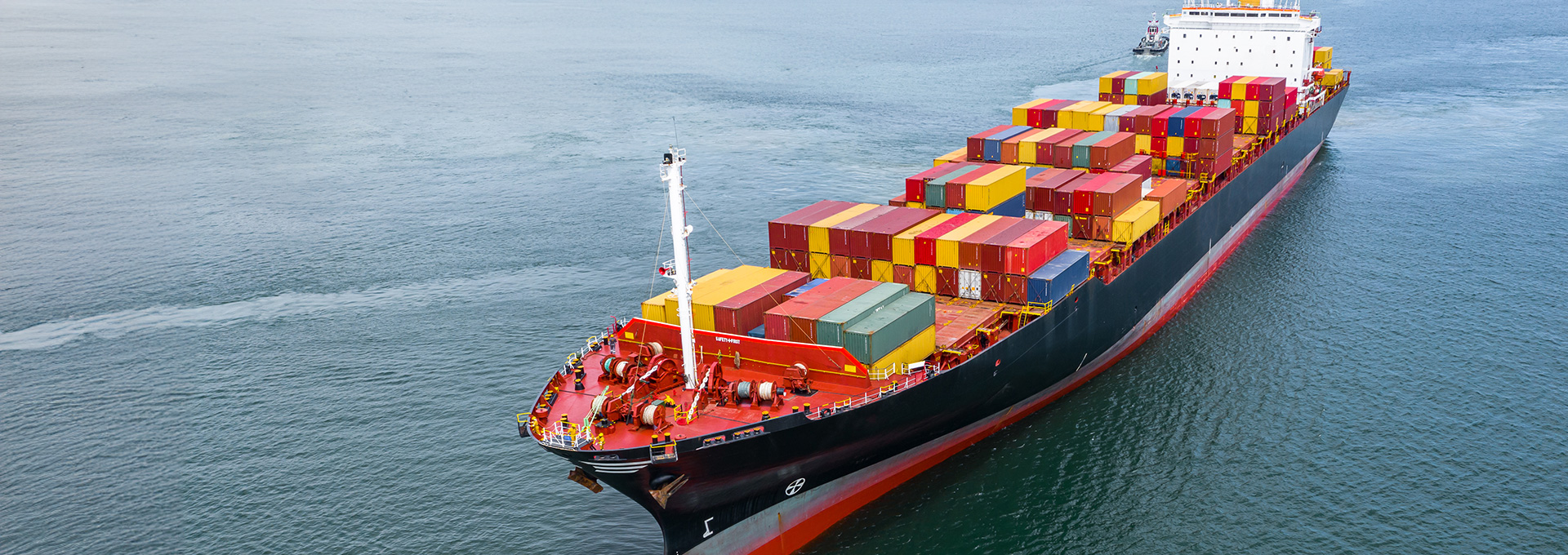
In other news, the Port of Los Angeles recorded its busiest June in history, processing more than 1 million TEU's as shifting global trade patterns and retailer strategies drove a surge in cargo volume.
The global oil supply chain is under acute strain as disruptions in the Strait of Hormuz ripple across energy markets, shipping networks, and national economies, creating what analysts describe as the most sever energy shock in decades. The scale of the disruption is staggering. It is estimated the global market is losing as much as 100 million barrels of oil per week. Back at home in the United States, President Trump has issued another broad waiver on the Jones Act to the middle of August, which has had no help to relieve the gas prices.
The Trump administration’s decision to issue a 60-day waiver of the century-old Jones Act marks a significant and controversial departure from long standing U.S. maritime policy, drawing sharp criticism from industry stakeholders who argue the move is both ineffective and damaging to the domestic ship ping sector. Announced March 18th, amid escalating global energy dis ruptions tied to conflict in the Middle East and the partial closure of the Strait of Hor muz, the waiver temporarily allows foreign-flagged vessels to transport fuel, fertilizer, and other commodities between U.S. ports.
The Sailors’ Union of the Pacific celebrates its 141st anniversary after being organized on March 6, 1885, on Folsom Street Wharf in San Francisco. A meeting of about three hundred seamen at 7:30 P.M. gathered to consider what steps should be taken toward forming a permanent protective union at once.
Matson Inc. released preliminary financial results for the fourth quarter of 2025, reporting stronger-than-expected performance driven by resilient demand across its core Pacific shipping routes and continued strength in its logistics division.
In other news, a U.S. Navy fighter jet shot down an Iranian drone that approached the aircraft carrier USS Abraham Lincoln in the Strait of Hormuz on Feb. 3, according to Pentagon officials, in the latest sign of rising tensions in one of the world’s most strategically vital waterways.
Email the West Coast Sailors at editor@sailors.org